
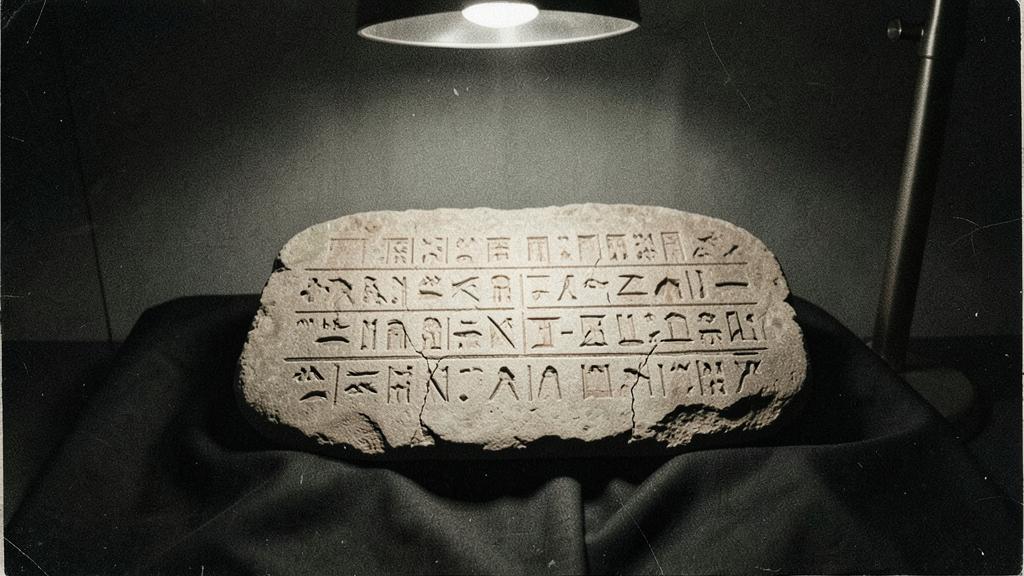
The Epic of Gilgamesh
The oldest surviving great work of literature is about a king who is unbearable, is given a friend to fix his personality, loses that friend, and then walks to the end of the world in an unsuccessful attempt to stop being mortal. Written on clay. Still better paced than most things.
Why it was classified
Nothing hid it but the collapse of the civilization that wrote it. The tablets sat in the ruins of Ashurbanipal's library at Nineveh until British excavations shipped them to the Museum, where they were largely unread until George Smith, a former banknote engraver who had taught himself cuneiform on his lunch breaks, worked out in 1872 that tablet XI described a flood, an ark, a survivor, and a bird sent out to find land. He announced it to the Society of Biblical Archaeology and the room did not stay calm.
Why it matters
Gilgamesh was a real name in the Sumerian King List, plausibly a ruler of Uruk around 2700 BCE, later promoted to two-thirds divine, which is a difficult fraction. The poem gives us the flood narrative centuries before Genesis, the first buddy story, and the first recorded midlife crisis. Its ending is also the least commercial in literature: he fails, the plant of youth is eaten by a snake, and he goes home and looks at the city walls he built, because the walls are the only immortality on offer. Four thousand years later that is still the deal.